
The Ultimate Guide to Serengeti National Park: Great Migration, Big Cats & Safari Routes

Stretching across 14,763 square kilometers (5,700 square miles) of boundless golden savanna, granite kopjes, and riverine woodlands, Serengeti National Park is widely recognized as the crown jewel of African wildlife sanctuaries. Named from the ancestral Maasai word Siringit—meaning 'the place where the land moves on forever'—this UNESCO World Heritage Site hosts the most magnificent terrestrial wildlife spectacle on Earth: the annual Great Wildebeest Migration.
Yet beyond the thunderous hooves of two million migratory ungulates, the Serengeti remains an unparalleled year-round predator haven. Boasting Africa's largest lion population (estimated at over 3,000 individuals), healthy cheetah coalitions, elusive leopards stalking granite outcroppings, and more than 500 bird species, the Serengeti delivers the quintessential African safari dream.
“Standing upon a granite kopje as the dawn sun breaks over the endless horizon, with thousands of wildebeest and zebras streaming across the plains beneath you, is an encounter with the ancient, unvarnished pulse of the natural world.”
Why Visit Serengeti National Park?
While neighboring Kenya's Masai Mara shares this contiguous ecosystem, the Serengeti is roughly ten times larger, preserving vast tracts of pristine, unfenced wilderness where travelers can experience private, undisturbed wildlife encounters. Key reasons why the Serengeti is essential to any African journey include:
- The Great Migration: Over 1.5 million blue wildebeest, 250,000 plains zebras, and 400,000 gazelles move continuously through the park following seasonal rainfall patterns.
- Unmatched Big Cat Density: Home to the densest concentrations of large carnivores in East Africa, including massive lion prides, tree-climbing leopards in Seronera, and cheetahs hunting across the open southern plains.
- Sunrise Hot Air Balloon Safaris: Floating silently over the savanna at dawn provides an unmatched panoramic perspective of herds spreading across the horizon, followed by a champagne bush breakfast.
- Diverse Ecological Zones: From the short-grass plains of Ndutu to the acacia woodlands of Seronera, the riverine forests of Grumeti, and the rugged hills of Kogatende, each region offers distinct habitats and wildlife dynamics.
The Great Migration: Month-by-Month Movement Guide
The Great Migration is not a single event, but a continuous, year-round circular voyage driven by the search for fresh grazing and water. Timing your safari to the correct sector is critical:
- January to March (Southern Serengeti & Ndutu - Calving Season): Herds congregate across the nutrient-rich volcanic soils of the southern plains. In February, an estimated 8,000 wildebeest calves are born daily, sparking intense predator-prey encounters with lions, cheetahs, and hyenas.
- April to May (Central Serengeti & Seronera - The Northward March): As the southern plains dry, massive columns of wildebeest move northward through the Moru Kopjes and Seronera Valley during the annual rutting season.
- June to July (Western Corridor & Grumeti River Crossings): The herds bottleneck along the Western Corridor, facing their first major obstacle: the Grumeti River, inhabited by massive Nile crocodiles.
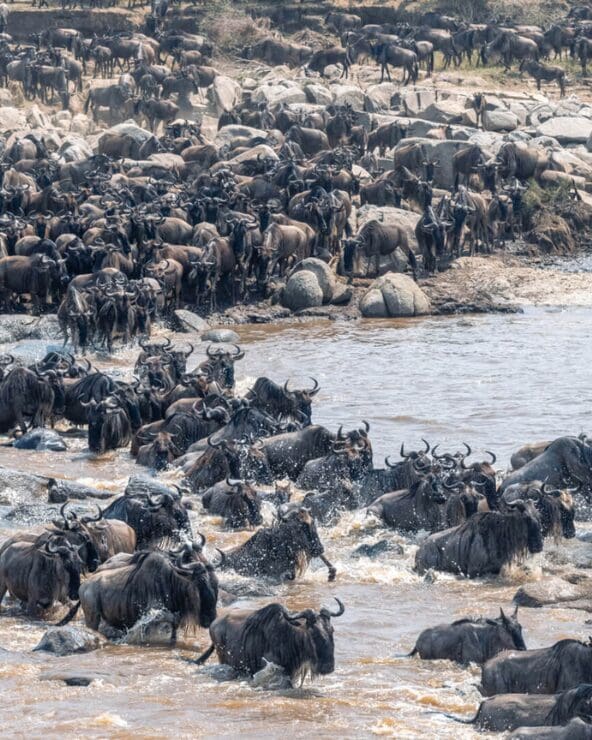
- August to October (Northern Serengeti & Mara River Crossings): The dramatic crescendo of the migration. Thousands of animals plunge down steep riverbanks and cross turbulent waters at Kogatende and Lamai, dodging apex predators on both sides of the Kenya-Tanzania border.
- November to December (Lobo & Eastern Plains - Return South): Short rains trigger the herds to begin their rapid southward trek through the eastern corridor and Lobo hills back to the Ndutu breeding grounds.
Wildlife & Predator Dynamics: The Big Five and Beyond
While the migration steals the spotlight, the Serengeti supports astonishing year-round resident wildlife populations. The park is home to all members of Africa's iconic Big Five:
- Lions: With over 3,000 lions divided into dozens of established prides, sightings of lions hunting or resting on granite kopjes are a daily reality.
- Leopards: The sausage trees and yellow-barked fever tree woodlands along the Seronera River offer some of the most reliable leopard viewing in the world.
- Cheetahs: The vast short-grass plains and isolated kopjes of Namiri Plains and Gol Kopjes provide ideal hunting terrain for high-speed cheetah pursuits.
- Elephants & Buffaloes: Massive elephant breeding herds roam the northern river valleys, while buffalo herds numbering in the hundreds graze throughout the woodland margins.
- Black Rhinos: A carefully protected, critically endangered population of eastern black rhinos resides in the southern Moru Kopjes sanctuary.
Serengeti Safari Sectors: Where to Focus Your Itinerary
Because the park is immense, understanding its distinct regions helps you choose the perfect camp locations:
- Central Serengeti (Seronera Valley): The beating heart of the park. Perennial river networks sustain abundant prey year-round, ensuring extraordinary leopard, lion, and cheetah sightings in all seasons.
- Northern Serengeti (Kogatende & Lamai Wedge): Wild, rolling hills and kopjes flanking the Mara River. From July to October, this is the prime theatre for river crossing spectacles and private luxury fly-in camps.
- Western Corridor (Grumeti): Riverine forests extending toward Lake Victoria. Home to giant crocodiles, black-and-white colobus monkeys, and exclusive private concessions like Singita Grumeti.
- Eastern Serengeti & Namiri Plains: Closed for 20 years for cheetah research, this remote sector reopened to limited tourism and offers exceptional exclusivity with virtually zero tourist vehicle congestion.
How to Get to Serengeti National Park: Fly-In vs. Overland Safaris
The gateway to the Serengeti is Arusha, serviced internationally by Kilimanjaro International Airport (JRO) and domestically by Arusha Airport (ARK). Travelers can reach the park via two primary methods:
- Bush Flights (Recommended for Efficiency & Comfort): Daily scheduled and private charter flights connect Arusha, Kilimanjaro, and Zanzibar directly to Serengeti airstrips including Seronera (SEU), Kogatende (KOG), Ndutu (NDT), and Grumeti (approx. 50 to 90 minutes flight time).
- Overland 4WD Safari: Drive from Arusha through the Ngorongoro Conservation Area to Naabi Hill Gate (approx. 7–8 hours). Most travelers break up this journey with overnight stops in Tarangire National Park or Ngorongoro Crater.
How to Avoid Safari Crowds in the Serengeti
Because the central Seronera area and Mara river crossing points can become busy during peak months, our Safari Architects utilize proven field strategies to ensure secluded wildlife viewing:
- Depart at 6:00 AM Dawn: Heading into the bush at first light with a packed gourmet breakfast lets you enjoy peak predator activity two full hours before standard lodge vehicles arrive.
- Opt for Private Concessions: Bordering wildlife management areas (such as Singita Grumeti or Loliondo) offer exclusive wilderness access, private off-road tracking, and night game drives forbidden inside the national park.
- Consider the Emerald Season (April & May): Emerald green plains, dramatic skies, uncrowded tracks, and lower luxury lodge rates make the green season a favorite among seasoned photographers.
Where to Stay: Mobile Tented Camps vs. Luxury Lodges
Accommodation styles in the Serengeti cater to diverse travel preferences:
- Semi-Permanent Mobile Migration Camps: Intimate, high-end tented camps (such as Olakira, Ubuntu, or Serengeti Under Canvas) that move 2–3 times a year to remain in close proximity to the wildebeest herds. They offer authentic safari romance with en suite canvas bathrooms and campfire dining.
- Permanent Luxury Lodges & Bush Suites: World-class properties (such as Four Seasons Safari Lodge, Singita Sasakwa, or Sayari Camp) featuring infinity pools overlooking waterholes, private plunge pools, fine dining, and spa facilities.
Signature Serengeti Safari Itineraries
Explore our curated, private safari itineraries featuring the best of Serengeti National Park:
- 7-Day Classic Great Migration Expedition: A focused, deep-immersion itinerary following the migration through the central and northern Serengeti plains.
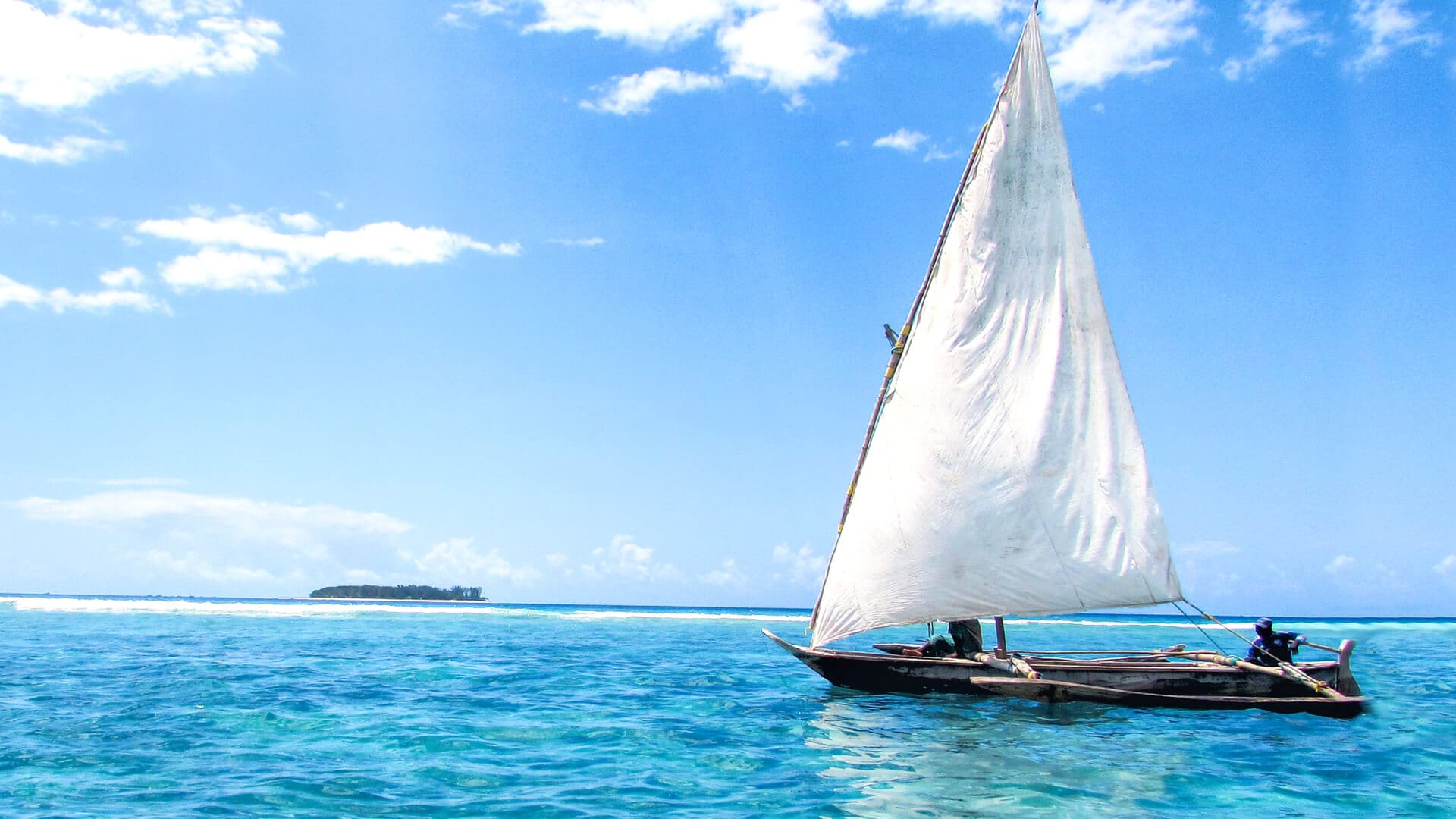
- 7-Day Serengeti & Zanzibar Bush to Beach Passage: Combine world-class big cat game drives in the Serengeti with barefoot luxury on the turquoise coast of Zanzibar.
- 9-Day Best of Northern Tanzania Circuit: The ultimate expedition spanning Tarangire, Ngorongoro Crater, Lake Manyara, and the Serengeti.
Frequently Asked Questions About the Serengeti
How many days should I spend in Serengeti National Park?
We recommend spending a minimum of 3 to 4 nights in the Serengeti. For the most fulfilling experience, split your stay between two distinct regions (for instance, 2 nights in Central Seronera for resident big cats and 2 nights in Northern Kogatende or Southern Ndutu to follow the migration).
Is the Serengeti safe for international travelers?
Yes. Serengeti National Park is exceptionally safe. Guests on private guided safaris are accompanied by licensed professional safari naturalists who follow strict TANAPA park protocols. Tented camps and luxury lodges maintain 24-hour Maasai askari (guards) for guest escorts after dark.
Is a hot air balloon safari worth it in the Serengeti?
Without question. Watching the sun rise over the vast Serengeti horizon and floating silently over herds of wildebeest and giraffes is one of the most unforgettable travel experiences in the world, capped with an authentic champagne bush breakfast.
Ready to witness the endless plains of the Serengeti in unmatched luxury? Contact Adhimu Safaris' expedition architects to curate a bespoke itinerary customized around your seasonal preferences.
Irene Massawe
Travel Writer
Based in the heart of Tanzania, Irene is a travel writer who believes the best stories are found off the beaten path. Her work has helped countless readers navigate the realities and rewards of adventure travel. She is currently working on a comprehensive guidebook to East Africa’s hidden trails and spends weekends exploring the landscapes just beyond Arusha
Write Your Own Story
Speak directly with our safari architects to tailor your private expedition across East Africa.